
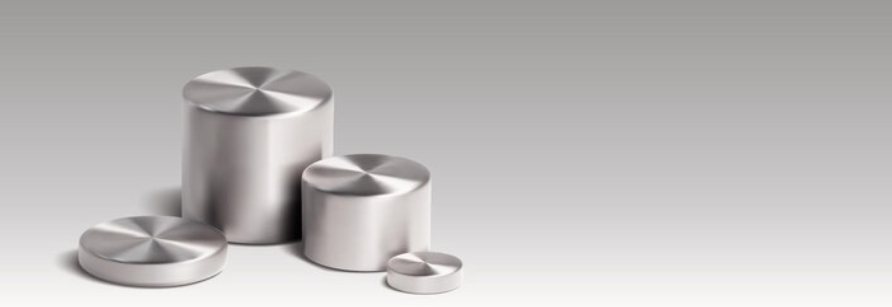
Benefits of Choosing High-Quality Tungsten Heavy Alloy for Your Projects
In modern industries, material selection plays a very important role in the success of any project. Engineers and manufacturers always look for materials that are strong, reliable, and long-lasting. One such advanced material is tungsten heavy alloy. It is widely used in engineering, aerospace, defense, and medical industries due to its excellent physical properties. Choosing a high-quality tungsten heavy alloy can improve performance, increase safety, and reduce long-term costs. In this article, we will explore its key benefits and why it is a smart choice for different types of projects.
What is Tungsten Heavy Alloy?
Tungsten heavy alloy is a special type of material made mainly from tungsten combined with small amounts of nickel, iron, or copper. This combination creates a material that is extremely dense and strong while still being usable in manufacturing processes. Unlike pure tungsten, tungsten heavy alloy is easier to shape and machine, making it suitable for complex industrial applications. It is known for its ability to maintain stability under high pressure, heat, and stress, which makes it valuable in demanding environments where ordinary metals fail.
High Density and Strength Advantages
One of the biggest benefits of tungsten heavy alloy is its high density. It is much heavier than most common metals, which makes it ideal for applications where weight and balance are important. At the same time, it offers excellent strength, allowing it to handle heavy loads without deformation. This combination of density and strength makes tungsten heavy alloy a preferred choice in aerospace parts, balancing weights, and radiation shielding equipment. Its reliable performance ensures that projects remain safe and efficient even under extreme conditions.
Better Durability and Wear Resistance
Durability is another key reason why many industries choose tungsten heavy alloy. It has strong resistance to wear, corrosion, and impact, which means it can last for a long time even in tough environments. This reduces the need for frequent replacement or maintenance, saving both time and money. In industries like mining, oil drilling, and defense, where equipment is exposed to constant stress, tungsten heavy alloy helps improve the lifespan of critical components. Its ability to maintain shape and performance under pressure makes it a highly dependable material.
Precision and Machinability Benefits
Although tungsten heavy alloy is extremely strong, it is also easier to machine compared to pure tungsten. This makes it possible to create precise components with complex shapes and tight tolerances. Manufacturers appreciate this quality because it allows for better design flexibility and accuracy in production. Whether it is used in medical devices or industrial machinery, tungsten heavy alloy can be shaped into highly detailed parts without losing its strength. This balance of machinability and performance makes it a valuable material in advanced engineering projects.
Industrial Applications and Value
Tungsten heavy alloy is used in a wide range of industries due to its versatile nature. In aerospace, it is used for balancing and control systems. In medical fields, it is used for radiation shielding in equipment like X-ray machines. It is also common in military applications for kinetic energy penetrators and protective components. Because of its long service life and reliable performance, investing in tungsten heavy alloy often leads to better overall value for projects. Its ability to perform in extreme conditions makes it a trusted material across many sectors.
Conclusion
Choosing tungsten heavy alloy for your projects offers many advantages, including high density, strong durability, and excellent machinability. It performs well in demanding environments and provides long-term reliability across various industries. By using high-quality tungsten heavy alloy, businesses can improve efficiency, reduce maintenance costs, and ensure better overall performance. It is a smart and practical material choice for modern engineering and industrial needs.