Greasy Hair Roots: Balance Washing Without Over Stripping
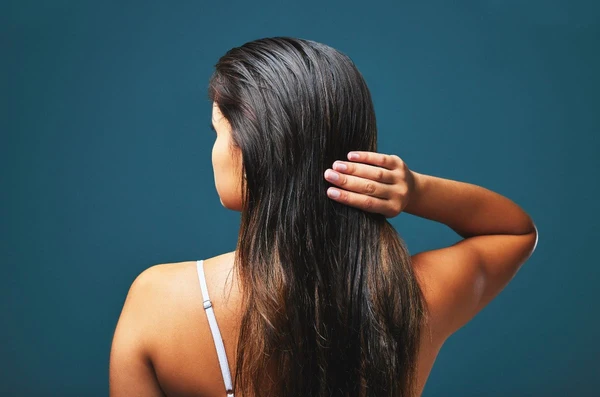
Greasy hair roots develop when oil from the scalp collects near the base of the hair. Washing removes that oil, but the right frequency differs from person to person. The goal isn’t to remove every trace of natural oil; it’s to keep the scalp clean without making the lengths unnecessarily dry.
Why Oil Shows Up First at the Roots
Sebaceous glands in the scalp produce sebum, which helps lubricate the skin and hair. Straight and fine hair may look oily sooner because sebum can move down the shaft more easily than it does through tightly curled hair.
Sweat, styling products, hats, frequent touching, and long gaps between washes can also make the roots look heavier.
Wash the Scalp, Not Every Inch Equally
Shampoo is mainly needed where oil, skin cells, and product buildup accumulate: the scalp. Massaging cleanser through the roots and allowing the rinse water to pass through the lengths can reduce unnecessary drying.
People exploring general body-care information may encounter claims that frequent washing always causes the scalp to “produce even more oil.” Oil production is influenced largely by biology and hormones, so there isn’t a universal rule that shampooing less will permanently retrain every oily scalp.
The American Academy of Dermatology notes that people with oily scalps may need frequent shampooing, while washing schedules can differ considerably by hair type. American Academy of Dermatology dandruff and washing guidance
Adjust Frequency Rather Than Following a Fixed Rule
If hair looks oily within a day, more frequent washing with a suitable shampoo may work better than stretching washes until the scalp feels uncomfortable. Curly or coarse hair often needs a different schedule because the lengths tend to be drier.
Broader everyday protection advice sometimes favors strict routines, but greasy roots are better managed by observing your own pattern. A schedule that works for a friend with different hair texture may leave your scalp oily or your ends excessively dry.
| Problem | Possible Reason | Adjustment |
|---|---|---|
| Oily roots next day | High sebum production | Wash more often |
| Dry ends, oily scalp | Uneven oil distribution | Shampoo roots only |
| Heavy coated feeling | Product buildup | Clarify occasionally |
| Itchy greasy flakes | Dandruff possible | Consider dandruff care |
Use Conditioner Where It Helps Most
Conditioner doesn’t need to cover the scalp for everyone. With fine or straight hair, concentrating it on mid-lengths and ends can provide softness without weighing down the roots.
Information on healthy daily routines may also encourage adding multiple oils, serums, and masks. For already greasy roots, layering products close to the scalp can make the problem appear worse even when sebum production itself hasn’t changed.
Dry shampoo can absorb oil temporarily, but it does not replace cleansing with shampoo and water. Regular washing remains important for removing oil, dead skin, microorganisms, and accumulated styling products.
What People Often Get Wrong About Oily Hair
One misconception is that a squeaky-clean feeling means the scalp is healthier. Aggressive cleansing can leave the scalp irritated and the lengths dry without solving the underlying reason your roots become oily.
Another is that every greasy scalp simply needs fewer washes. Some people genuinely do better with frequent shampooing. The useful balance is enough cleansing to control oil and buildup without choosing unnecessarily harsh products or repeatedly scrubbing the skin.
When Greasiness Comes With Other Symptoms
Persistent oily scaling, significant itching, redness, soreness, crusting, or noticeable hair loss warrants medical evaluation. Seborrheic dermatitis and other scalp conditions can produce oiliness and flakes together.
See a dermatologist if routine shampoo changes do not help, or if symptoms spread beyond ordinary cosmetic greasiness.
Frequently Asked Questions
Is washing oily hair daily bad?
Not automatically. Some people with oily scalps or fine straight hair may need frequent washing. The shampoo’s gentleness, your hair texture, and the condition of the lengths also matter.
Can dry shampoo replace regular shampoo?
No. Dry shampoo mainly absorbs visible oil. It doesn’t remove accumulated oil, dead skin, and other material as thoroughly as washing with shampoo and water.
Why are my roots oily but my ends dry?
Oil begins at the scalp and may not travel effectively along longer, processed, curly, or damaged hair. Shampooing the scalp while conditioning the lengths can help address both areas differently.
Find the Washing Rhythm That Works
Greasy roots don’t require punishing the scalp with the strongest cleanser available. Focus shampoo where oil accumulates, protect dry lengths with conditioner, and adjust washing frequency based on how your own scalp behaves.
If oiliness is accompanied by persistent inflammation, scaling, pain, or hair loss, get the scalp examined instead of treating it as a cosmetic issue alone.
This article is for general informational purposes and is not a substitute for professional medical advice, diagnosis, or treatment.