
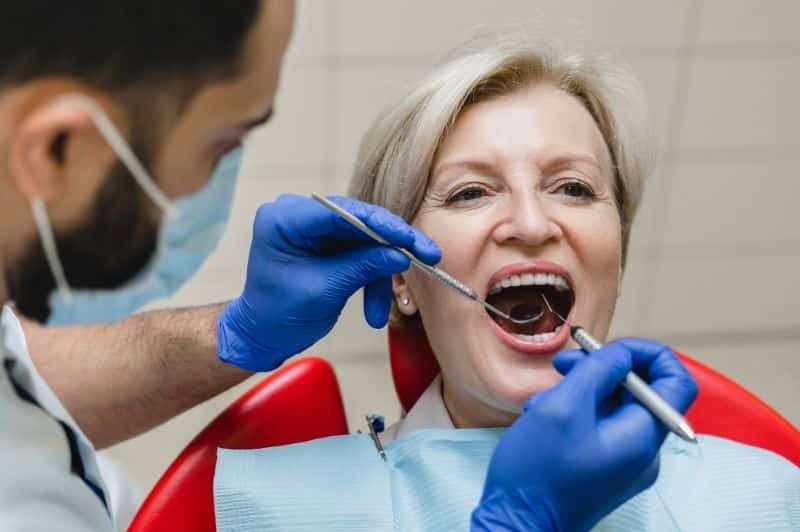
Delayed Dental Visits – Prevent Small Problems Getting Worse
Delayed Dental Visits is usually less about one bad decision than a routine that became easy to postpone. A more dependable approach is to book preventive dental care before pain becomes the only reason to call a dentist. Small systems matter because the safest health habit is often the one that still works during a crowded week. For readers trying to lower the background pressure that disrupts routines, stress and appointment planning can sit alongside a practical calendar, written health notes, and realistic reminders. The goal is not perfection; it is earlier action, clearer records, and fewer avoidable gaps.
Dental Care Resources to Make the Next Visit Easier
With routine dental care, the useful starting point is to separate prevention from diagnosis. Everyday habits can lower avoidable risk, but they cannot confirm what a symptom means or replace individualized medical advice. Three practical moves are to choose a dentist before an urgent problem develops, keep a simple record of last cleaning, X-rays, and major procedures, and call sooner for persistent pain, swelling, bleeding, or a broken tooth. Broader resources such as everyday lifestyle planning can remain separate lifestyle reading while care decisions stay anchored in qualified health guidance.
1. American Dental Association Find-a-Dentist
is a dentist-search service that can help patients locate ADA member dentists by area. It is useful for turning a delayed dental visit into an actual appointment, especially when a person has moved, changed insurance, or no longer has an established dental home. This option is most useful when convenience is the main barrier.
2. Zocdoc
is a care-search and booking platform rather than a medical practice. It can help patients compare local doctors by specialty, location, insurance participation, and appointment availability, which is useful when the main barrier is finding an appropriate clinician rather than understanding the health issue itself. It can fit people who need an easier first step before arranging more specialized care.
3. CVS MinuteClinic
offers in-person and virtual care for many common health needs, including physicals, screenings, vaccines, minor injuries, and routine illness evaluation. Services vary by state and location, so readers should confirm the exact option before relying on a visit. Its value is access and organization rather than a promise that every situation can be handled there.
4. Teladoc Health Primary Care
provides virtual primary-care support for eligible adults, including preventive care, routine screening coordination, general health questions, lab follow-up, and referrals when in-person care is needed. It can be useful when scheduling or transportation makes a traditional office visit harder. Use it as one part of a care plan, especially when location, insurance, or scheduling affects follow-through.
5. Poison Control
provides poison-prevention information and expert guidance for suspected poisonings or medication exposures in the United States. It is especially relevant for storage mistakes, accidental ingestion, and questions about household substances. Serious symptoms or life-threatening emergencies still require emergency medical services. The practical advantage is having a defined place to start instead of delaying because the next step feels unclear.
What to Do Before Dental Pain Forces the Issue
Before choosing a service, decide what you actually need: routine prevention, same-day assessment, a specialist, testing, education, or emergency help. Confirm that the service handles the issue and whether in-person examination is needed. Dental symptoms can worsen quickly, and facial swelling, trauma, or signs of spreading infection may need urgent in-person care. Bring a concise medication, allergy, and symptom note when relevant.
Daily routines work better when they fit real life. Choose a dentist before an urgent problem develops becomes easier when reminders or supplies are already in place. comfortable appointment outfits can remain general style reading while health choices stay grounded in qualified medical and safety guidance.
Frequently Asked Questions
What is a practical first step for improving routine dental care?
Start with one repeatable action: choose a dentist before an urgent problem develops. Once that is stable, add the next step. A short routine that happens consistently is usually more useful than a complicated plan that disappears after a few days.
How can someone make routine dental care easier to remember?
Use visible cues, calendar reminders, and supplies placed near the activity. It also helps to keep a simple record of last cleaning, X-rays, and major procedures. The best reminder is one tied to a predictable part of the day rather than a vague intention.
When should routine dental care involve professional medical advice?
Dental symptoms can worsen quickly, and facial swelling, trauma, or signs of spreading infection may need urgent in-person care. If a situation feels severe, rapidly worsening, or life-threatening, use urgent or emergency services instead of waiting for a routine appointment.
Book the Visit Before the Problem Becomes Urgent
Better routine dental care does not require a dramatic reset. It requires a routine that makes the safer action easier to repeat and a clear plan for when professional help is needed. Use the services above as starting points, keep records current, and adjust the system when it stops fitting your schedule. Most of all, treat prevention as ordinary maintenance rather than a task saved for a perfect week. One useful change made today can remove friction from the next decision.