Hidden Garment Flaws – Inspect Zippers Buttons and Linings
Hidden garment flaws often sit in places shoppers do not inspect during a quick try-on. A weak zipper, loose button, torn pocket bag, damaged lining, or missing fastener can turn a seemingly good purchase into an immediate repair project. Solving the problem does not require perfect shopping habits. It requires a consistent moment of comparison before checkout. For broader style browsing, garment detail guidance can provide extra ideas, but the purchase itself should still pass your personal checklist. That gives fit, quality, wardrobe compatibility, and cost a chance to matter as much as appearance.
Five Retailers That Make Comparison Easier
No retailer can remove the need to judge a garment for yourself. The useful part of comparing several stores is seeing how price, fit information, product details, and return conditions change from one purchase to another.
1. Nordstrom
Nordstrom carries many apparel and footwear brands, publishes size guides, and offers in-store alterations for a range of clothing. The multi-brand assortment is useful for comparing how fit, fabric, and construction can differ at similar price points. This makes Nordstrom most useful when you arrive with clear criteria and compare the product information with what your wardrobe actually needs.
2. Macy’s
Macy’s sells clothing across many brands and notes that size charts are available on many product pages. A department-store assortment can help shoppers compare materials, cuts, and price levels without assuming that one brand’s sizing or quality standard applies to another. Use the information available at Macy’s to narrow choices, but make the final call from the garment’s measurements, materials, condition, and likely use.
3. The RealReal
The RealReal is a luxury consignment marketplace that describes item condition with categories ranging from pristine through lower-condition tiers and uses an authentication process for the luxury goods it accepts. Its listings are useful for comparing condition, age, and resale value before paying for a label. For this topic, use The RealReal as a place to compare the specific item against your own checklist instead of letting brand familiarity make the decision.
4. eBay
eBay uses clothing and footwear condition labels such as new with tags and several pre-owned condition levels, while return terms can depend on the seller and the reason for return. Eligible fashion items may also show Authenticity Guarantee, so the specific listing deserves close reading. When shopping here, keep the article’s main rule in view: the individual garment still has to satisfy your fit, use, quality, and budget needs.
5. Gap
Gap publishes category-specific size charts and measuring tips for women, men, kids, and baby apparel. That makes it useful when you want to compare body measurements with a labeled size instead of relying on the number or letter alone. The useful habit is to treat Gap as one comparison point, then judge the item on its own details before deciding.
What Matters Before Checkout
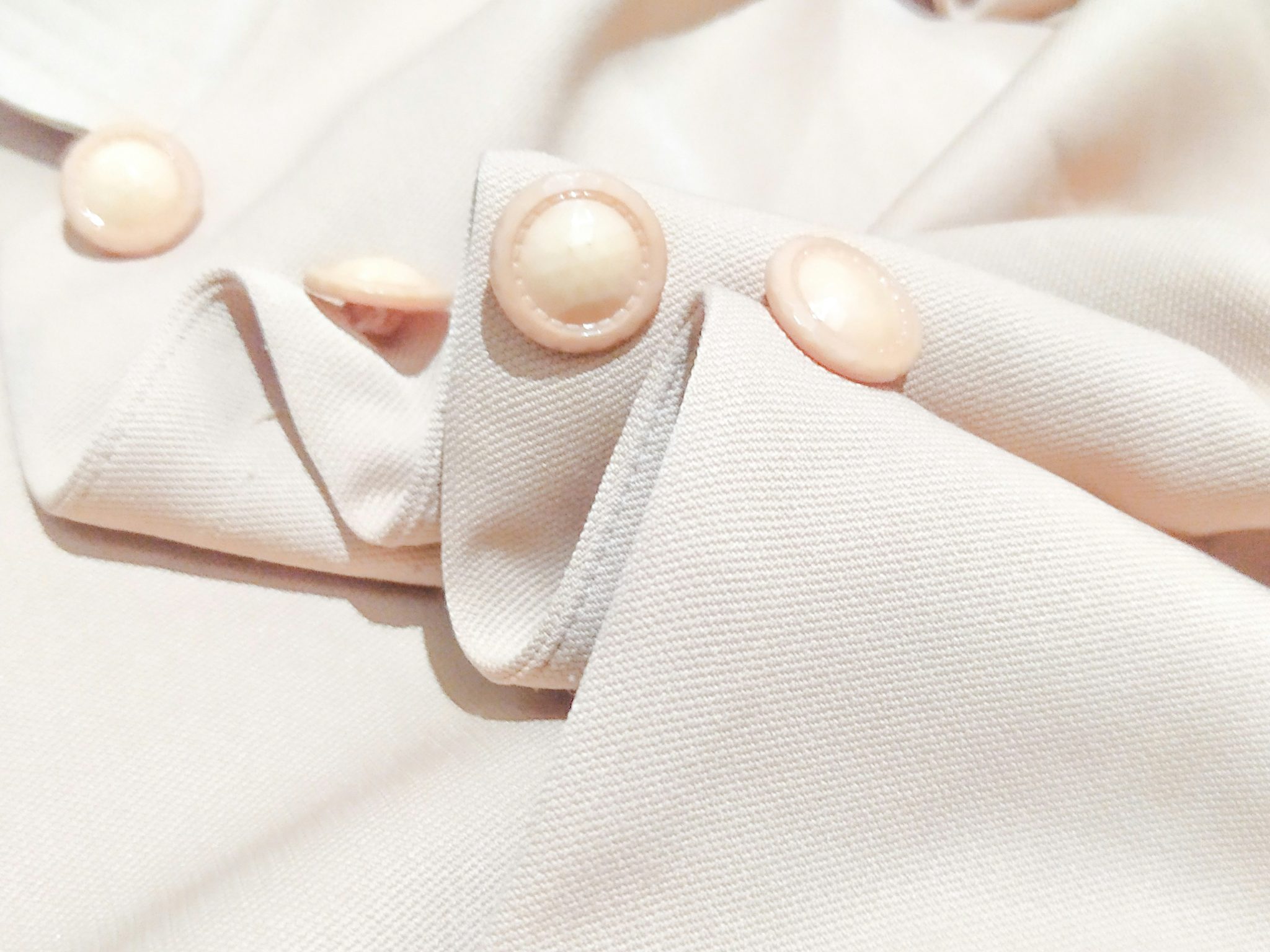
Open and close every zipper, fasten buttons and snaps, check pockets, lift the lining, inspect hems, and look under collars and cuffs. On secondhand items, study close-up photos for the same areas. Do a thirty-second hardware check before paying. Small defects are not always deal breakers, but they should be visible, repairable, and reflected in the price. For another source of general fashion reading, clothing inspection ideas can be useful while you keep the actual decision tied to the item in front of you. This approach also makes comparisons easier because every option is being judged against the same criteria instead of whatever detail happens to stand out first.
Frequently Asked Questions
Which garment flaws are easiest to miss?
Broken pocket linings, weak zipper stops, loose buttons, missing snaps, small seam openings, damaged hems, and stains under collars or cuffs are common areas people overlook.
Can a damaged zipper be worth repairing?
Sometimes, especially on an otherwise valuable garment. The decision depends on zipper type, placement, garment value, and local repair cost.
What should I inspect on secondhand clothing photos?
Look closely at closures, hems, cuffs, underarms, pockets, lining, high-friction areas, and any place where the seller has disclosed wear or repair.
Keep the Rule Simple
A quick inspection can prevent a surprising amount of buyer regret. Treat zippers, buttons, pockets, and linings as functional parts of the garment rather than details you check only after something breaks. You can also find more practical quality references at practical quality references. Keep the final decision tied to real use, because a garment only delivers value when it earns wear in your actual life.