
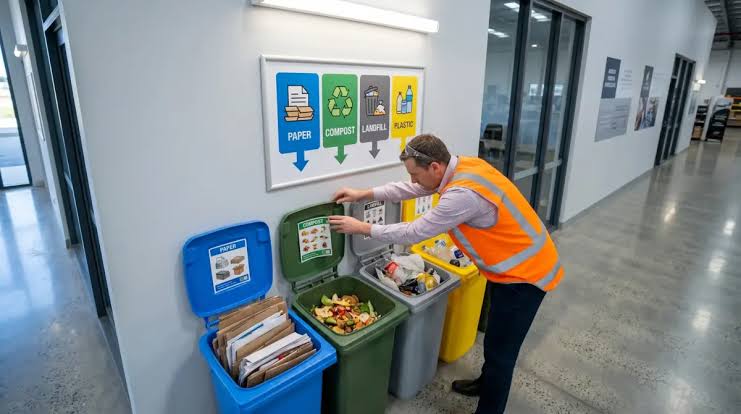
Recycling Compliance Problems – Understand Local Requirements Before Disposal
Recycling is not governed by one identical rule everywhere. Recycling compliance problems can appear when a business assumes that a material accepted in one jurisdiction can be handled the same way somewhere else.
Requirements may depend on the material, contamination level, generator, destination, local collection system, state regulations, and whether the material legally qualifies for a particular recycling or waste-management pathway.
Identify the Material Before Choosing a Bin
“Recyclable” is a broad commercial description, not always a complete regulatory classification. Cardboard, metals, electronics, batteries, lamps, chemicals, oils, construction debris, and industrial byproducts can fall under different programs.
EPA’s RCRA regulations overview explains the federal framework for solid and hazardous waste while recognizing the role of state programs.
Businesses should identify what they generate before deciding how it will be stored, transported, recycled, or discarded.
Check State and Local Programs Separately
Municipal recycling requirements can differ from state environmental rules, and commercial operations may be treated differently from households.
General legal web resources can help organizations recognize questions worth investigating, but current instructions from the responsible waste or environmental authority should determine the actual procedure.
Contracts with waste vendors should also be reviewed so that internal staff understand which materials are accepted and what contamination limits apply.
| Material | Possible Compliance Issue | Useful Check |
|---|---|---|
| Cardboard | Food contamination | Hauler requirements |
| Batteries | Special handling | State waste rules |
| Electronics | Disposal restrictions | Approved program |
| Chemical containers | Residual contents | Waste classification |
Verify Vendors and Keep Disposal Records
A business should know where regulated or unusual materials are going rather than assuming that pickup ends its responsibility.
Stories from regional publishing sites may highlight recycling problems or illegal dumping, but news coverage cannot replace documentation showing how a specific company’s waste was handled.
Similarly, community news sources may provide useful context while official receipts, manifests where applicable, vendor records, contracts, and facility information provide stronger operational evidence.
Recycling Assumptions That Can Backfire
One mistake is placing questionable material into a recycling stream because it appears technically reusable. Contamination can cause loads to be rejected and may create extra handling or disposal costs.
Another problem is assuming that a recycling symbol automatically means local collection programs accept the item. Collection capability varies.
Businesses can also create risk by allowing employees to improvise disposal methods for batteries, chemicals, electronics, oily materials, or unknown industrial waste instead of establishing written procedures.
When Compliance Advice May Be Needed
Contact the appropriate state or local environmental agency when waste classification is unclear, a recycling exemption is being relied upon, regulated materials are involved, or a facility receives an enforcement notice.
Environmental professionals or legal counsel may also be appropriate for industrial processes generating complex waste streams. The more unusual the material or recycling arrangement, the more important it becomes to verify the applicable rule rather than relying solely on a vendor’s sales description.
Frequently Asked Questions
Can a business put all recyclable materials into one container?
Only when the collection program permits it. Accepted materials and sorting requirements vary by hauler and jurisdiction, and some materials require separate management.
Are recycling rules the same in every state?
No. Federal rules provide part of the framework, but states and local governments may operate additional or more stringent programs.
Should businesses keep recycling records?
Records can be valuable for demonstrating where materials went, verifying vendor performance, tracking waste volumes, and supporting compliance where documentation requirements apply.
Build Disposal Procedures Around Verified Rules
A dependable recycling program starts with material identification, not colored bins. Determine what each waste stream contains, check the applicable state and local requirements, confirm what the receiving vendor accepts, and give employees clear disposal instructions.
That approach reduces contamination, rejected loads, misplaced regulated materials, and confusion when regulators or customers ask how waste is actually managed.
This article provides general information and is not a substitute for legal advice about waste or recycling requirements in a particular jurisdiction.