
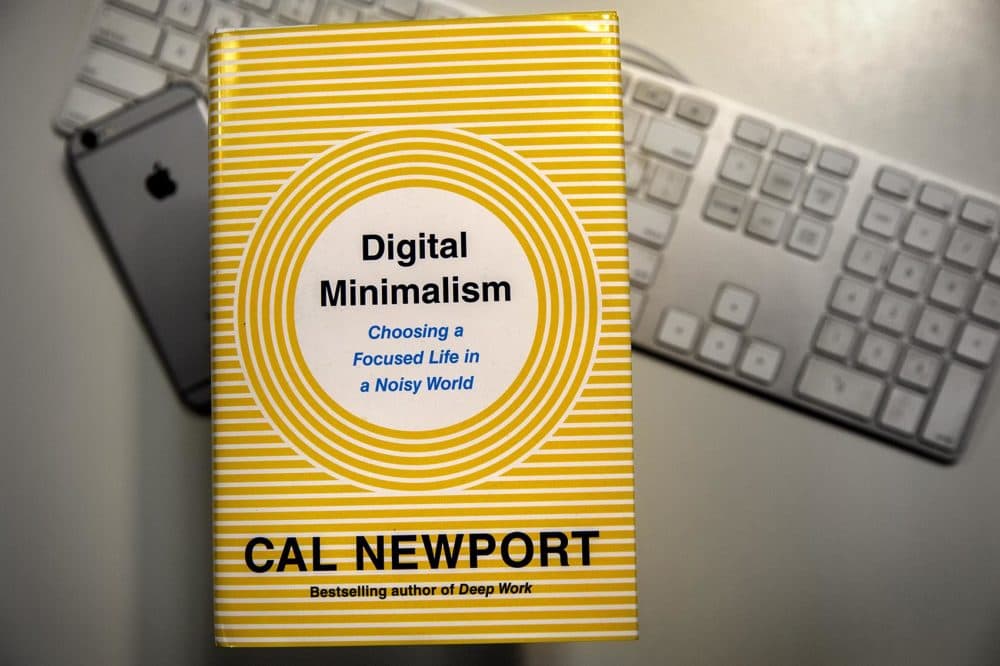
The Digital Minimalism Trend: Do You Really Need All Those Apps
As our phones remain constantly connected to us, it has never been more important for us to consider the apps we really require. People may acquire multiple applications without giving much thought, only using five or six on an average day. As digital clutter increases, so does mental fatigue; digital minimalism provides us with a means to use technology more consciously without it taking over our lives – something even stressful professions such as Best Delhi Lawyers appreciate as it helps make their job simpler and more productive.
Understanding Digital Minimalism Trends
Digital simplicity doesn’t involve ditching technology; rather, it involves managing your digital space to support rather than hinder your efforts towards meeting your goals. Too many notifications, apps, and scrolling can lead to emotional fragmentation and overwhelm; as my anger has grown, so has my desire for a break from backward and simpler tech interactions between me and it.
Digital minimalism has gained in popularity for various reasons. People who work from home tend to spend more time in front of screens; many users are also becoming more conscious of their online time due to fatigue with social media. As users must choose carefully which apps they keep due to privacy and data tracking concerns, digital minimalism has entered mainstream society.
How Many Apps Do You Really Utilize?
App stores offer millions of options, yet most people only utilize a fraction of them. Most commonly used are social networks, chat apps, and basic tools such as banking and navigation; many other apps sit dormant for months at a time until being unwittingly downloaded by someone who wants something extra or becomes distracted from what’s important to them.
At first, digital simplicity begins by taking an honest inventory of how often you use your phone. Most phones and tablets now include tools that enable users to keep an eye on how much time is being spent on each app; it can be quite eye-opening to see these numbers. You might find many apps you downloaded just because they piqued your interest or for one specific purpose are now taking up space on your computer that they shouldn’t.
Impact Of Too Many Apps On The Mind
Each app you download requires your attention in some way; notifications, badges, and alerts keep interrupting you to grab it in different ways. Focusing on multiple tasks at the same time makes it more challenging to concentrate, work well, or relax over time.
Reducing the number of apps on your phone or tablet can significantly enhance your mental health by decreasing alerts and noise. A calmer user experience results from having fewer apps cluttering your home screen, and using apps consciously sets healthy limits with technology – freeing your mind up for more important things by eliminating digital junk that you no longer require.
How To Adopt Digital Minimalism In Real Life
Adopting digital simplicity doesn’t have to mean making dramatic changes; small steps can have a big impact over time. Take an inventory of your apps and delete anything you haven’t used for at least 30 days; also, consider seeing if certain tasks could be performed via browser instead of an independent app.
Next, disable alerts that are unnecessary. Not every app needs to make your phone ring; prioritize important alerts like family messages, work reports, and productivity tools that require prompts for use.
The Mental Impact Of App Overload
Change the appearance of your home screen as well. Arrange only your most-used apps on the first page, with any other files or secondary screens dedicated to occasional or infrequent use. This makes things simpler to access and encourages deliberate usage.
Finally, be mindful of how you use technology. Schedule time away from phones or computers, limit app use at once and social media use, and don’t browse too frequently – these habits will help create a healthier digital lifestyle over time.
Digital Minimalism For Businesspeople
Professionals from all fields are taking advantage of digital simplicity to streamline their work, particularly jobs that require high levels of focus. Non-necessary digital distractions may compromise performance; for instance, Delhi Lawyers often utilize essential legal study tools, communication apps, and safe platforms for file sharing; rather than cluttering their smartphones with useless apps, they focus on selecting only those that make their lives more efficient and accurate.
This method demonstrates how, even in our increasingly tech-driven society, using digital tools consciously can increase output. Fewer apps means fewer distractions and risks – giving more focus.
Why Digital Minimalism Matters Today
As our lives increasingly transition online, digital simplification becomes ever more essential. It encourages us to carefully consider our technology usage before taking actions related to it – helping reduce stress levels, increase productivity levels, protect sensitive information, while giving individuals control of their digital world instead of being controlled by it.