Overheated Engine Situations – Pull Over Before Serious Damage
An overheating warning isn’t something to postpone until the next fuel stop. Excessive engine temperature can progress from a manageable cooling-system problem to expensive mechanical damage if the vehicle keeps running under heavy heat.
In overheated engine situations, reduce engine load, find a safe stopping location, shut the engine down when appropriate, and allow the system to cool before attempting further inspection.
Notice the Warning Signs Early
A rising temperature gauge is one of the clearest warnings. Some vehicles also display a temperature warning light or message.
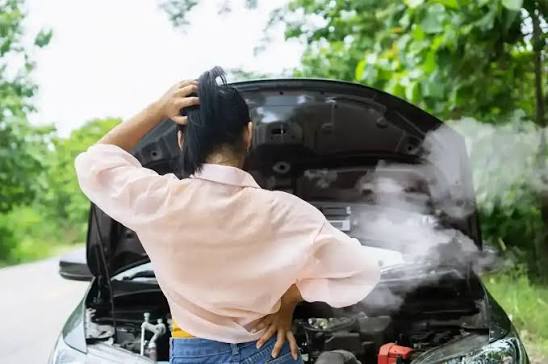
Steam from beneath the hood, an unusual hot smell, coolant odors, reduced engine performance, or cooling fans running aggressively can also signal trouble.
Automotive readers may encounter sites such as Turbo Fleet Tech information during general vehicle research, but dashboard warnings in the vehicle itself deserve immediate attention when temperatures start climbing.
Reduce Heat Load While Finding Safety
If the temperature begins rising, switching off air conditioning can reduce some engine load. Turning the cabin heater on may sometimes help transfer heat away from the cooling system, although it can make the cabin uncomfortable.
These are temporary measures for reaching a safe stopping place, not a reason to continue a long journey with an overheating engine.
Signal early, avoid abrupt lane changes, and select a location away from traffic whenever possible.
Shut Down Before Damage Escalates
Once safely parked, turning the engine off stops combustion from continuing to add heat. The cooling system will still remain extremely hot for some time.
Do not rush to open the cooling system while pressure and temperature remain high.
Give the Cooling System Time
Opening a hot radiator or pressurized coolant reservoir can release boiling coolant and steam. Allow the engine to cool substantially before inspecting components that may be pressurized.
Someone comparing general road and vehicle topics through Peak Route Care content should still follow the warning labels and procedures specific to the vehicle being driven.
| Warning | Immediate Response | Avoid |
|---|---|---|
| Temperature rising | Reduce load | Ignoring gauge |
| Steam visible | Find safe stop | Continuing normally |
| Vehicle parked | Shut engine down | Opening hot cap |
| Engine cooled | Inspect cautiously | Touching hot parts |
Check for Simple Clues Only After Cooling
Once the engine is cool enough to inspect safely, look for visible coolant leaks, damaged hoses, an empty expansion tank, or obvious debris blocking airflow.
Tires aren’t part of the cooling system, but roadside safety still matters. If the car has stopped near traffic, resources such as Prime Tire Park reading are far less important than remaining in a protected position away from passing vehicles.
If coolant is missing or a major leak is visible, repeatedly topping up the system and continuing to drive may simply reproduce the overheating problem.
What Drivers Often Get Wrong
One common mistake is assuming the vehicle can continue because the engine still sounds normal. Temperature damage can develop before unusual engine noise becomes obvious.
Another error is pouring cold liquid onto a very hot engine or opening a pressurized cap too soon. Rapid temperature changes and hot coolant can create additional problems.
Drivers also sometimes restart the engine repeatedly without addressing why the temperature rose. If overheating returns quickly, the vehicle needs mechanical attention rather than another attempt to continue the trip.
Frequently Asked Questions
Can you drive a short distance with an overheating engine?
Continuing to drive can increase the chance of serious engine damage. If the temperature is climbing, reach a safe stopping area as soon as practical rather than treating the warning as something that can routinely wait.
How long does an overheated engine take to cool?
Cooling time varies with engine design, outside temperature, airflow, and how severely the engine overheated. Don’t rely on a fixed number of minutes; wait until components are no longer dangerously hot before inspecting them.
Does adding coolant always solve overheating?
No. Low coolant is only one possible cause. Leaks, thermostat problems, cooling fans, pumps, restricted airflow, and other faults can also lead to overheating.
Stop Heat Before It Becomes Damage
The best response to rising engine temperature is usually early action. Reduce load, move out of traffic, stop the engine, and allow the system to cool safely.
If the temperature rises again after restarting or the cause isn’t clear, avoid repeatedly pushing the vehicle farther. Mechanical damage usually costs far more than changing the travel plan.